
We have watched 3D visual storytelling rapidly advance. What once depended on special glasses and bespoke displays now transcends those limits, delivering immersive experiences on flat panels and leveraging forced perspective and anamorphic techniques on premium LED canvases. This evolution has broadened how digital media is presented and made multidimensional narratives achievable across diverse platforms, allowing viewers to experience seamless blends of imagination and reality.
We deliver concept-to-completion 3D motion experiences that transform spaces. As one of the few vertically integrated providers, we manage site design, conceptual renderings, hardware selection and installation, plus anamorphic and forced-perspective display solutions. Our partner Render Impact handles the high-fidelity 3D modeling and animation; we lead the process, ensuring the creative vision and project goals are realized on time and on budget.
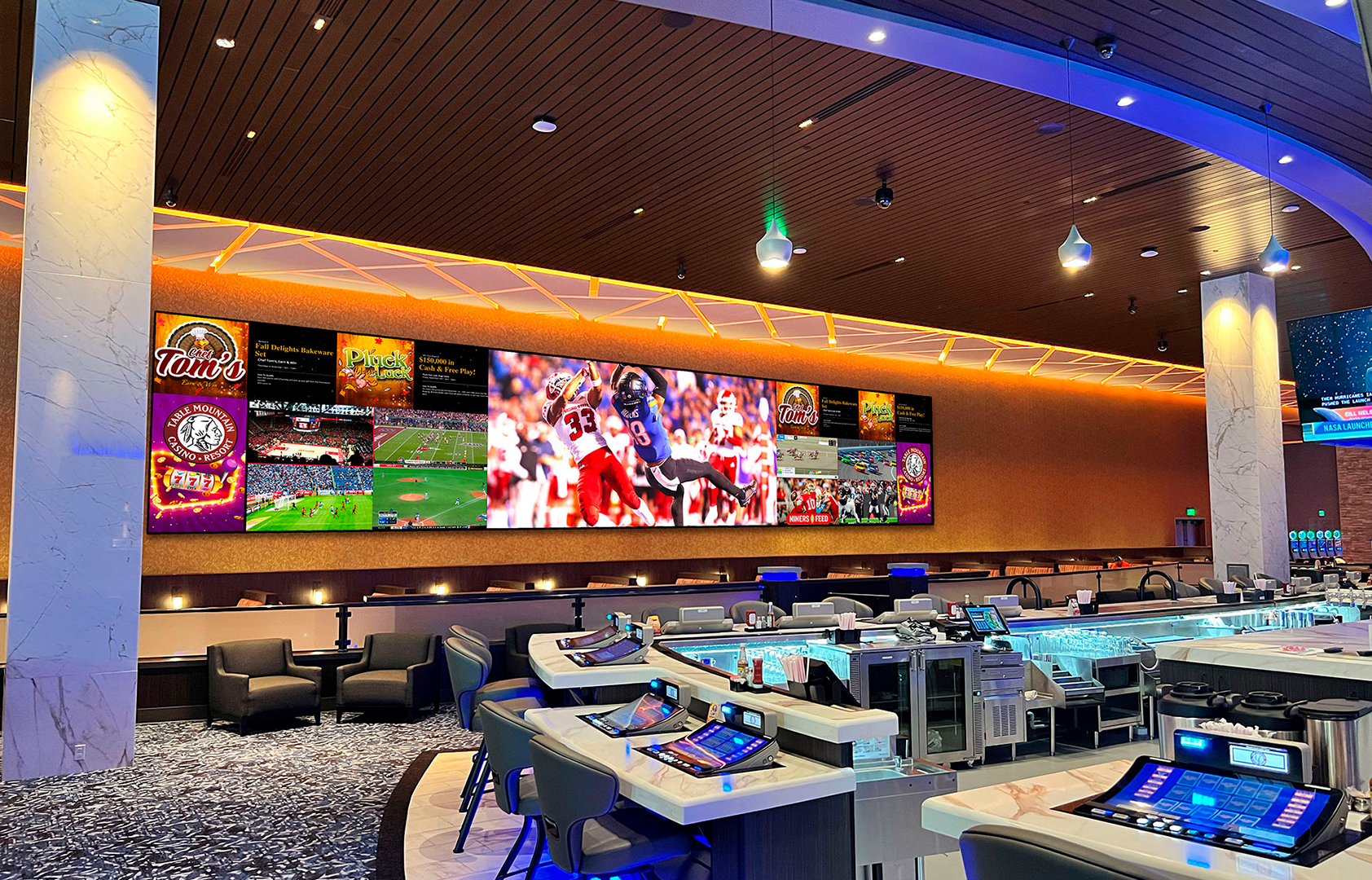
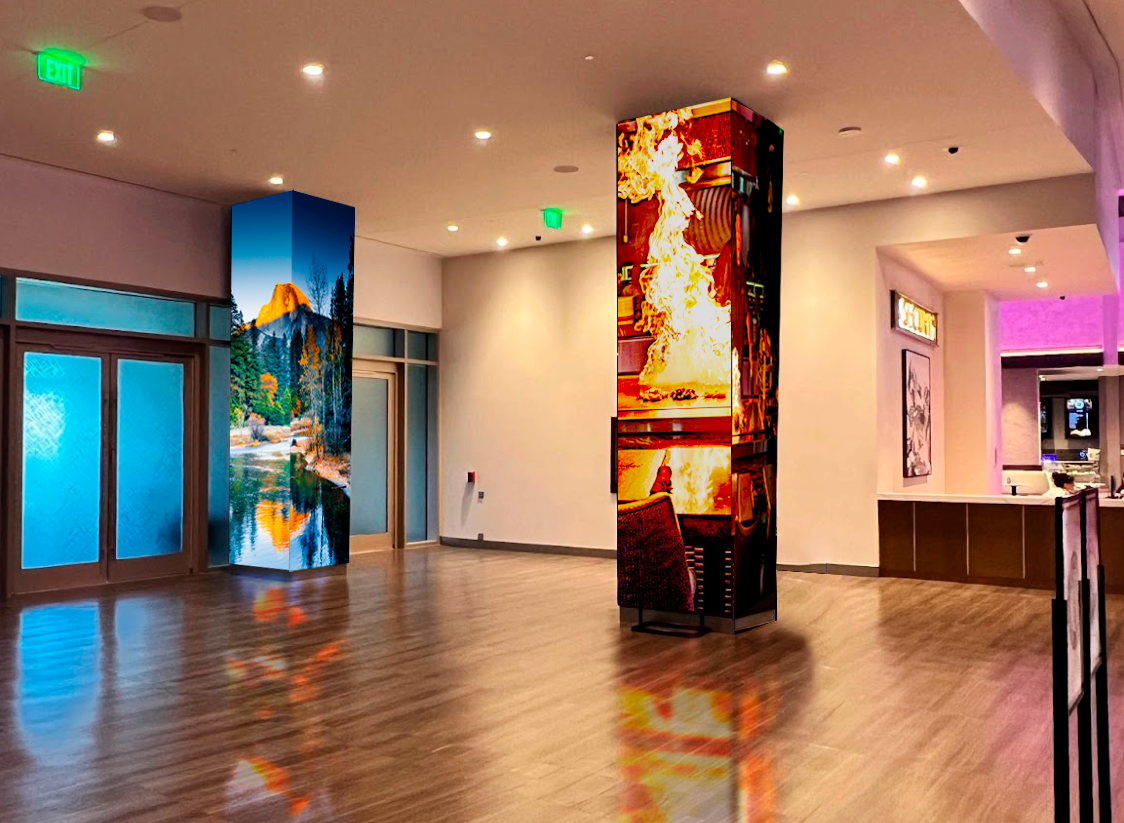
It starts with your vision. We meet with you to define objectives, audience and desired impact, creating the ultimate guest experience. From there we translate ideas into a clear creative and technical plan. We review storyboards, duration, resolution, lighting, looping and other production requirements so every element supports the intended message.
- Client Meeting & Discovery
- Budgeting and Timelines
- Storyboarding & Technical Specifications
- Conceptual Presentation & Revisions
- 3D Modeling & Animation
- Final Sign-off
- Rendering
- Implementation & Installation
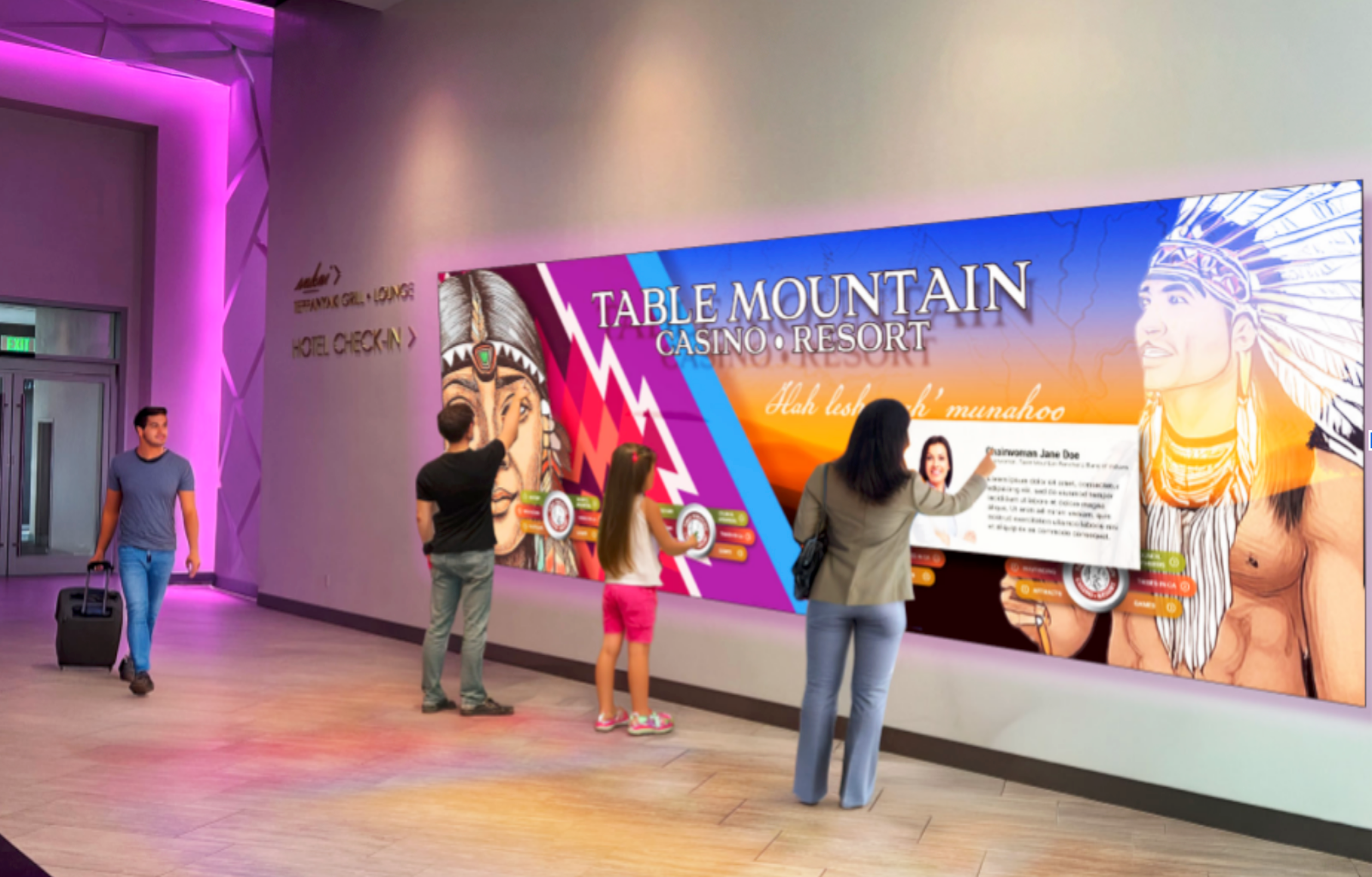
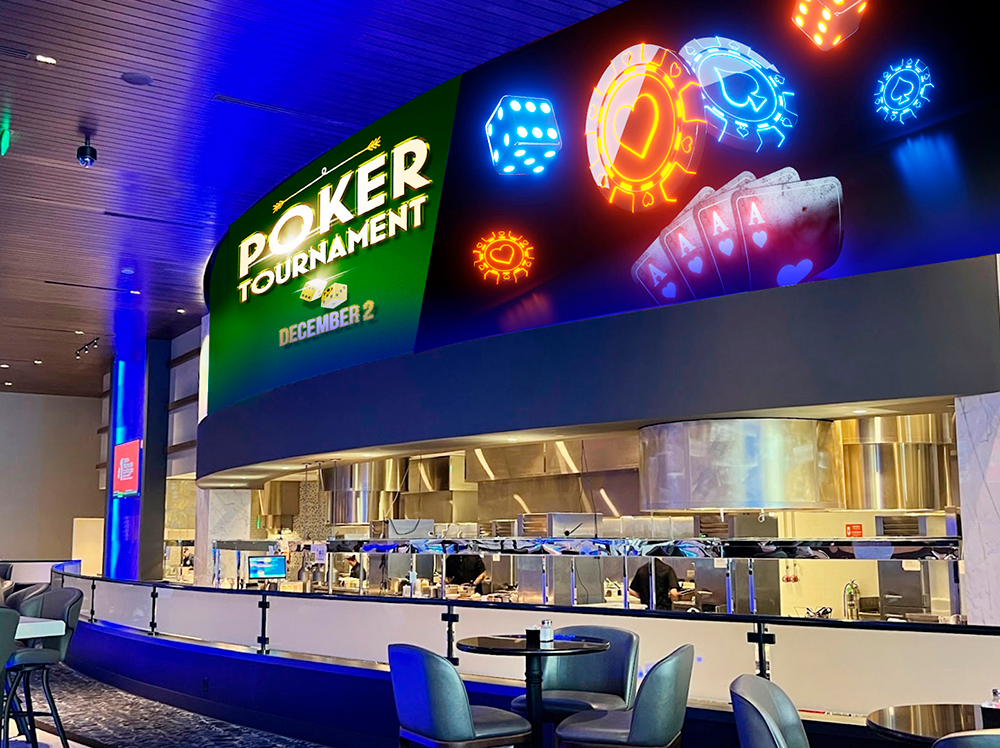
With over 40 years of combined design and technical expertise, we are the strategic and creative engine behind every project. We coordinate client engagement, concept development, approvals and project management while partnering with best-in-class studios for modeling and animation. The result: high-impact motion graphics delivered with clarity, craftsmanship and seamless execution. From large LED video walls to small end-cap displays, no project is too big or too small.
- Rendering a large format HD 3D video can take up to 1 week.
- Rigging creates the virtual “skeleton” and controls for a character, and good rigging can make or break believable motion.
- Keyframe animation and procedural/physics-based animation (e.g., cloth, fluids, particles) are commonly combined to get both artistic intent and realistic behavior.
- Motion capture records live actors’ movements and maps them onto 3D characters, greatly speeding realistic human animation but often requiring cleanup and retargeting.
- Rendering is computationally intensive; render farms (hundreds or thousands of CPUs/GPUs) and render-management software process frames in parallel.
- Global illumination and physically based rendering (PBR) simulate real-world light behavior, producing more realistic images by modeling light bounces, reflections and material response.
- Level of detail (LOD) and instancing optimize performance by reducing polygon counts or reusing models for objects far from the camera or repeated many times.
- UV mapping unwraps 3D surfaces to 2D space so textures can be painted or projected accurately poor UVs cause texture stretching and seams.
- Nonlinear animation editors let animators blend and layer animation clips (e.g., walk, run, idle) for more flexible character performance.
- Real-time engines (Unity, Unreal Engine) now produce near-cinematic visuals for interactive experiences, enabling faster iteration and new workflows for previsualization and final delivery.
- Procedural generation (e.g., Houdini) uses rules and algorithms to create complex effects and environments that would be tedious to model by hand.
- Facial animation often uses blendshapes/morph targets or bone-based rigs; recent advances in machine learning enable faster facial performance capture and retargeting.
- File formats and interoperability (FBX, Alembic, USD) are crucial for moving assets between tools while preserving geometry, animation and scene data.
- Optimization for final delivery (bitrate, resolution, compression, GPU/CPU budget) is essential whether output is a real-time installation, broadcast, cinema, or LED architectural display.
Fresno 3D Animation
Fresno CG
SBD has been a leading force in software development for over 20 years. We offer a wide variety of custom application development. Our team of developers has decades of experience in designing and producing products ranging from Enterprise Resource Planning (ERP), Customer Relationships Management (CRM), Business Intelligence (BI), Supply Chain Management (SCM), Human Resources Management (HRM), Marketing Automation, Business Process Management & Automation
We provide development services for a range of businesses such organizations including businesses, schools, interest-based user groups, clubs, charities, and governments.